Choosing a power bank: mAh, watts and taking it on a plane
How many mAh and how many watts do you need, and can it go on a plane? Here is how to convert mAh to watt-hours and choose a power bank for your phone or laptop.
Popular picks from this guide
- Go to Bol.com
-
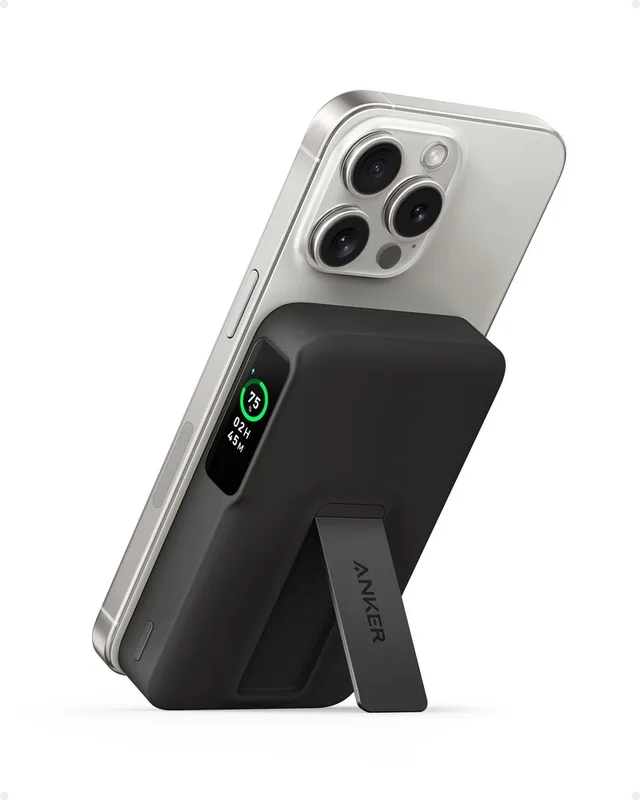
Anker MagGo power bank, 10.000mAh, Qi2, certified 15W wireless charging, magnetic and ultra-thinGo to Bol.com
From €58.99 · at 5 shops
-
Anker A1654G11 Powerbank 10000 mAh Magsafe, PoweriQ USB-C, USB-A StatusweergaveGo to Joybuy
From €79.99 · at 3 shops
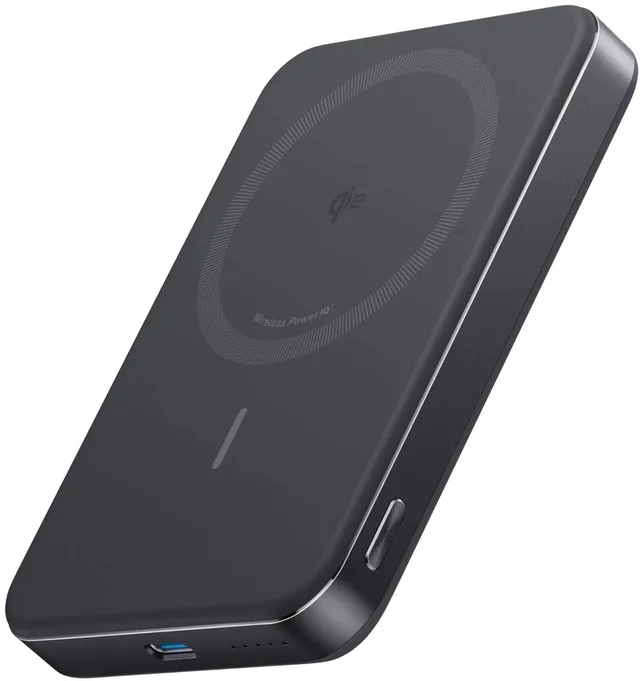
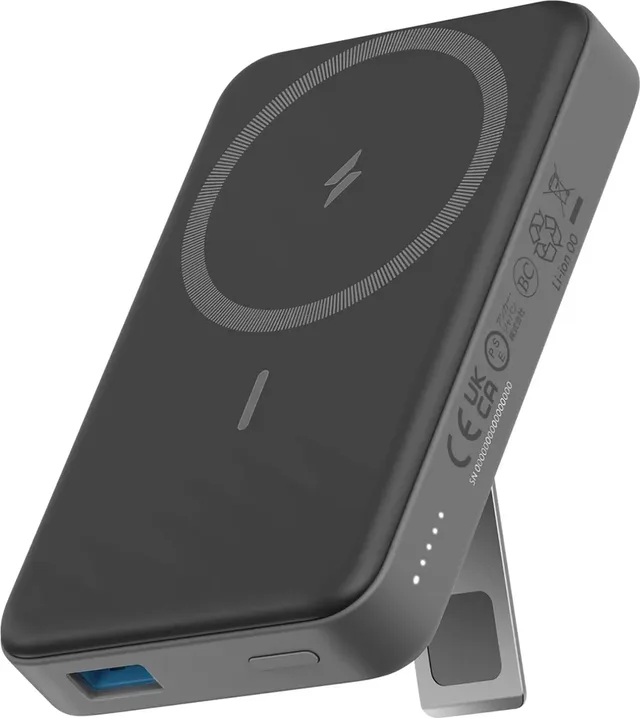
Popular products at today's lowest price. Compare every shop on the product page.
Short answer: For a phone, 10,000 mAh with USB-C Power Delivery (PD) at 20 watts or more is a handy size; for a laptop, choose a power bank that gives at least as many watts per port as your laptop charger. Convert mAh to watt-hours (Wh) if you fly: according to IATA you may take at most two power banks of up to 100 Wh each, in your hand luggage and never in checked baggage, and you don't recharge them on board.
The facts below come from IATA (the international air transport association), the USB Implementers Forum (USB-IF, the body behind USB), Apple, Samsung and Anker, and from the product names in our catalogue. Tenbars tests no power banks itself. How many watts your phone can take is in the maker's specifications. With Which charger suits my phone? you can look up what your phone can take.
mAh and watt-hours
Capacity is stated in milliamp-hours (mAh). That figure is about the battery cells inside, which run at about 3.6 to 3.7 volts. To charge your phone, the power bank converts that to 5 volts or more, and some energy is lost as heat along the way. That is why many power banks carry a lower "rated capacity" next to the cell capacity: what actually comes out of the USB port.
Watt-hours (Wh) are the energy itself. You work it out like this: mAh × volts ÷ 1000. A 10,000 mAh power bank at 3.7 volts is therefore 37 Wh, a 20,000 mAh one 74 Wh and a 25,000 mAh one 92.5 Wh. The Wh figure is often printed on the power bank too.
10,000 mAh power banks
- Varta
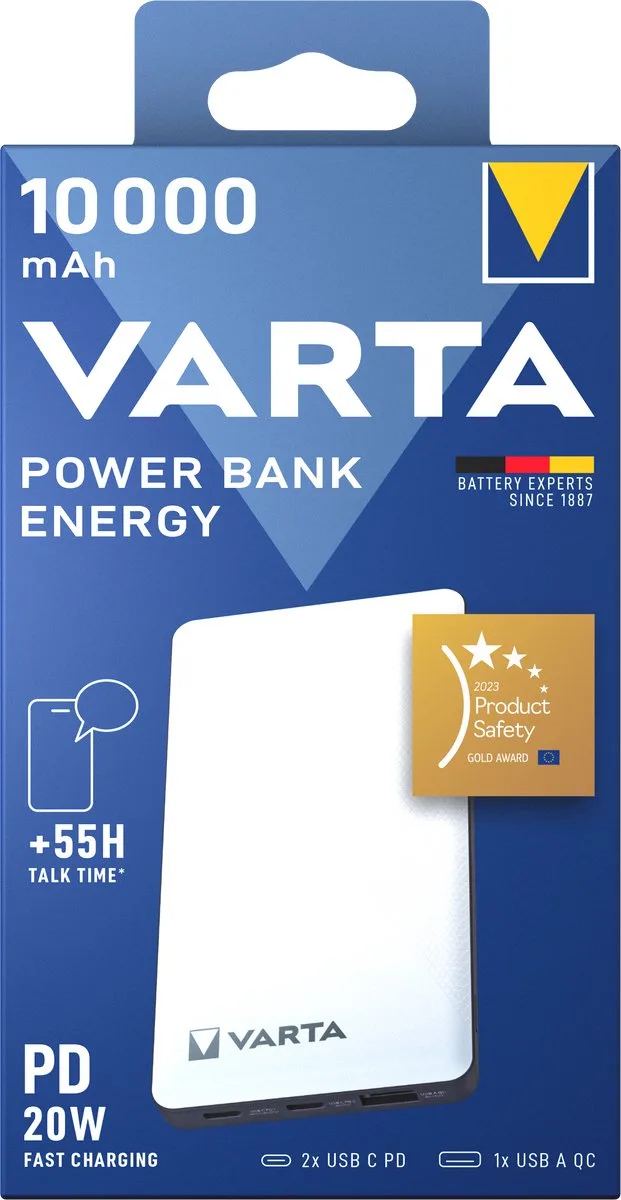
Power Bank Energy Powerbank 10000 mAh
10,000 mAhWhiteFrom €23.94 · at 5 shops
- Xiaomi
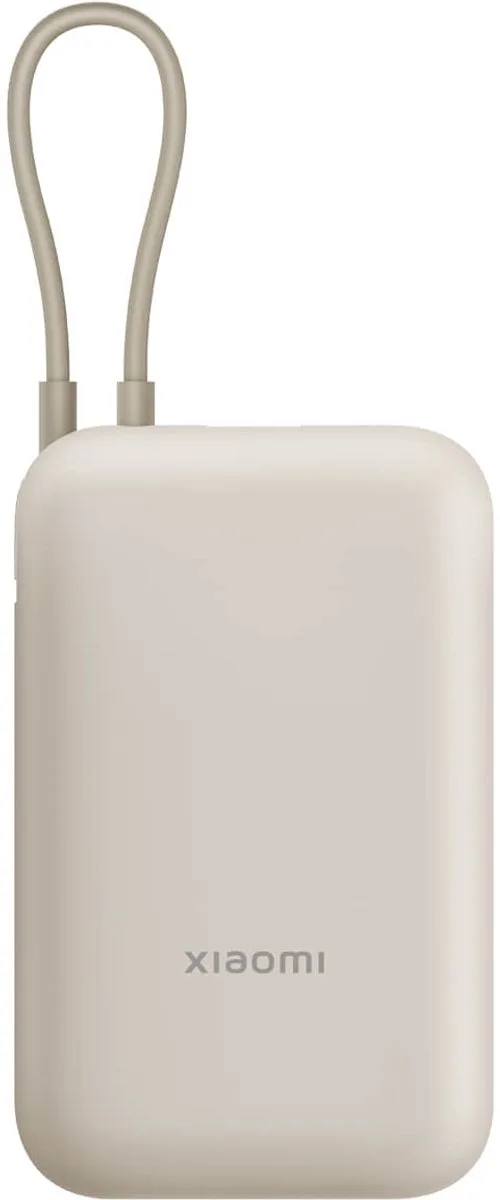
Power Bank 10000mAh
22,5 W snelladen10,000 mAh225 WTanFrom €22.98 · at 3 shops
- Hama
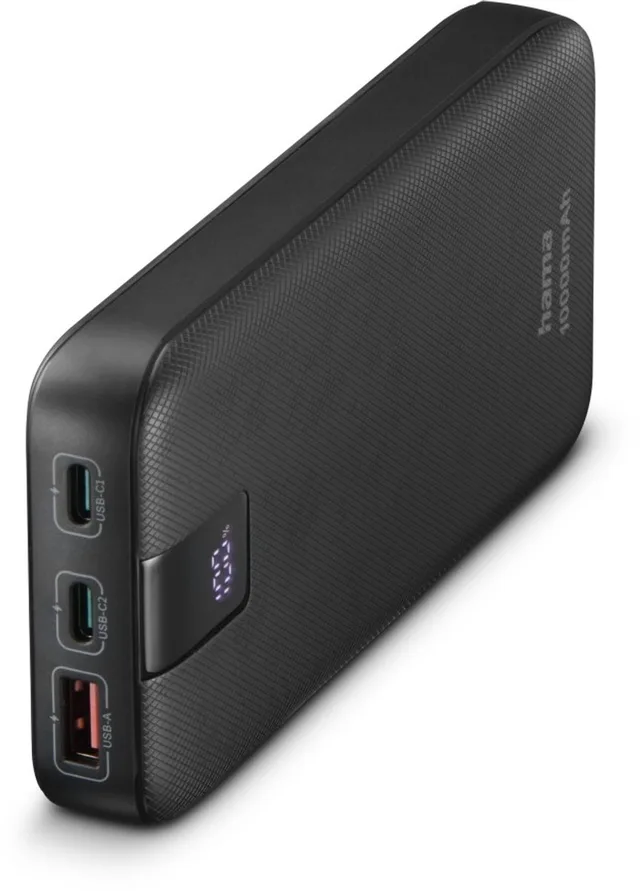
Power bank, PD, 10000mAh, 20W, 2x USB-C, 1x USB-A, PowerDelivery
10,000 mAh20 WAnthraciteFrom €29.99 · at 4 shops
Lowest in 24 days
- Anker
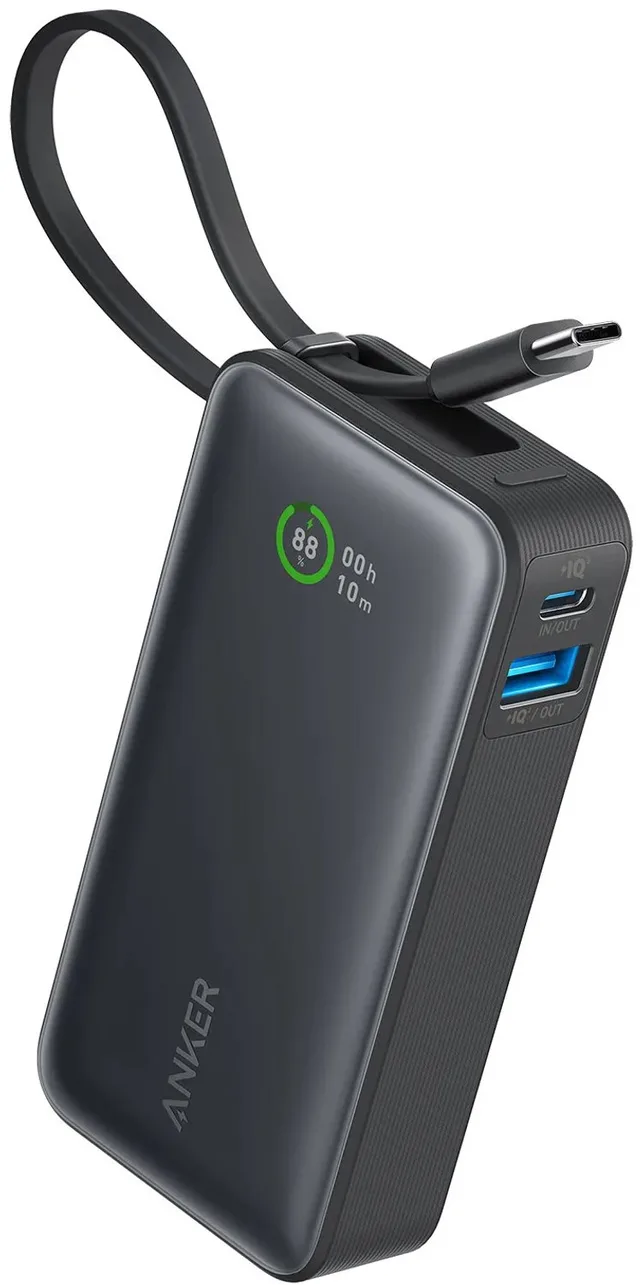
30W power bank
with built-in USB-C cable 10.000 mAh10,000 mAh30 WBlackFrom €47.99 · at 5 shops
Lowest in 24 days
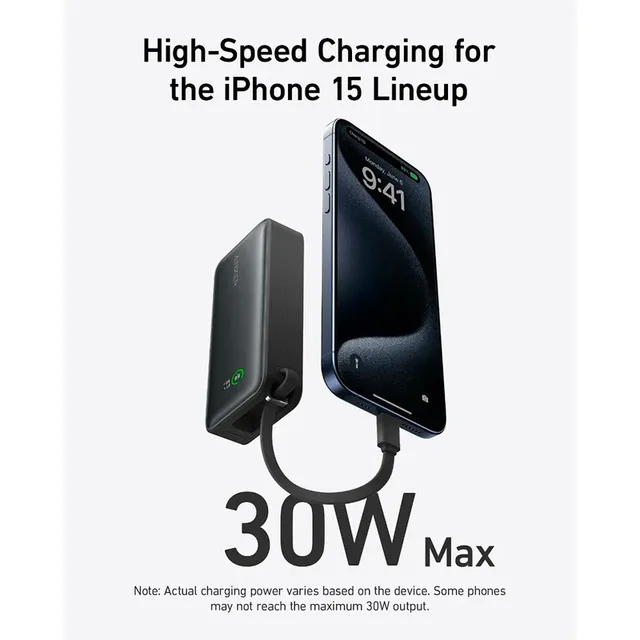
Watts and USB Power Delivery
How fast your phone charges depends on the power in watts and on the protocol. The usual protocol over USB-C is USB-IF's USB Power Delivery (PD). For fast charging an iPhone, Apple names a USB-C charger with PD; how many watts depends on the model, for example 20 watts or more for the iPhone Air and 17e and 40 watts or more for the iPhone 17, 17 Pro and 17 Pro Max. For Super Fast Charging on Galaxy phones, Samsung names PPS, part of USB PD. So check that the power bank lists PD, and for a Galaxy also PPS.
A stronger power bank does no harm: the phone asks for what it can take. In our catalogue Hama lists 20 W with PD for the Powerbank PD 10000 mAh, Xiaomi 22.5 W for the Power Bank 10000mAh and Anker 30 W for the power bank with built-in USB-C cable.
If a power bank has several ports, the stated power is often the total. Charge two devices at once and each port gets less. The specifications give the figure per port.
For a laptop
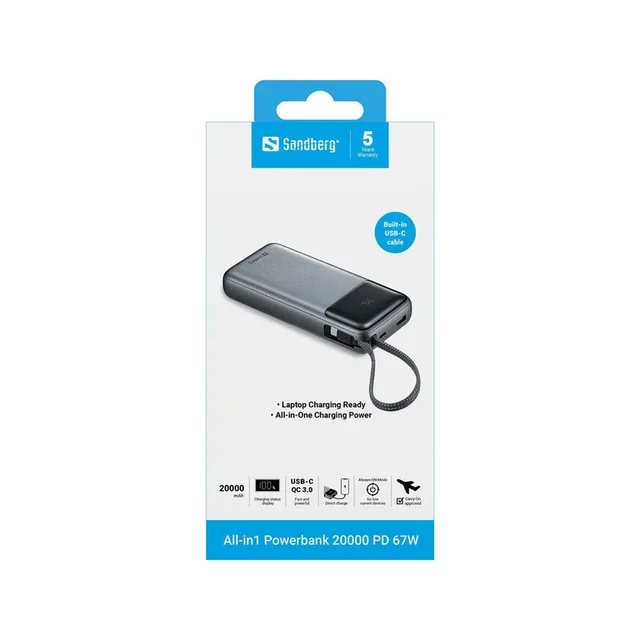
A laptop that charges over USB-C asks for more: check how many watts your laptop's charger has. For a 65-watt laptop, look for a power bank that gives at least that much per port. Sandberg lists 100 W for the Powerbank USB-C PD 100W 20000 and 130 W for the All-in1 Powerbank 20000 PD 130W; UGREEN lists 145 W in total for the Nexode Power Bank 20000mAh.
Mind the cable as well. According to USB-IF, 100 watts at 20 volts goes over a USB-C cable rated for 5 amps. An ordinary 3-amp cable stops at 60 watts (20 volts × 3 amps).
Power banks for laptops
- Sandberg
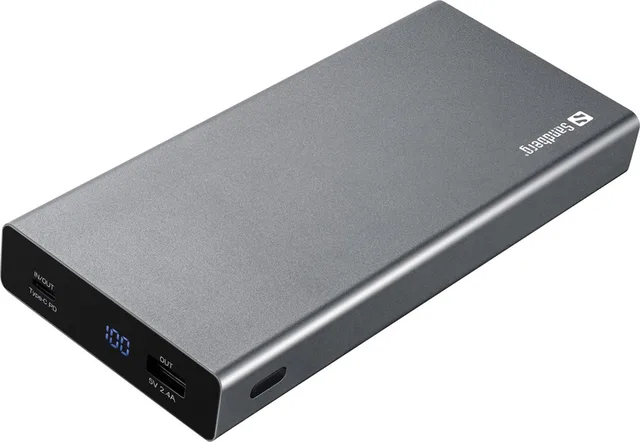
Powerbank USB-C PD 100W 20000
20,000 mAh100 WGreyFrom €61.40 · at 2 shops
- Sandberg
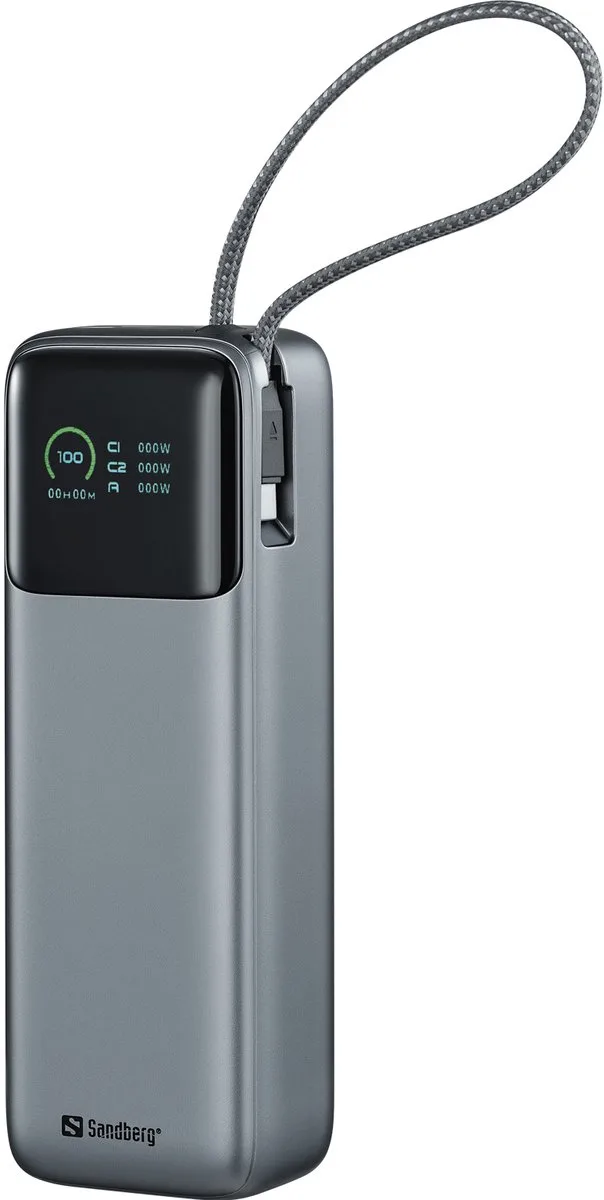
All-in1 Powerbank 20000 PD 130W
20,000 mAh130 WBlack · GreyFrom €52.62 · at 3 shops
Lowest in 24 days
- UGREEN
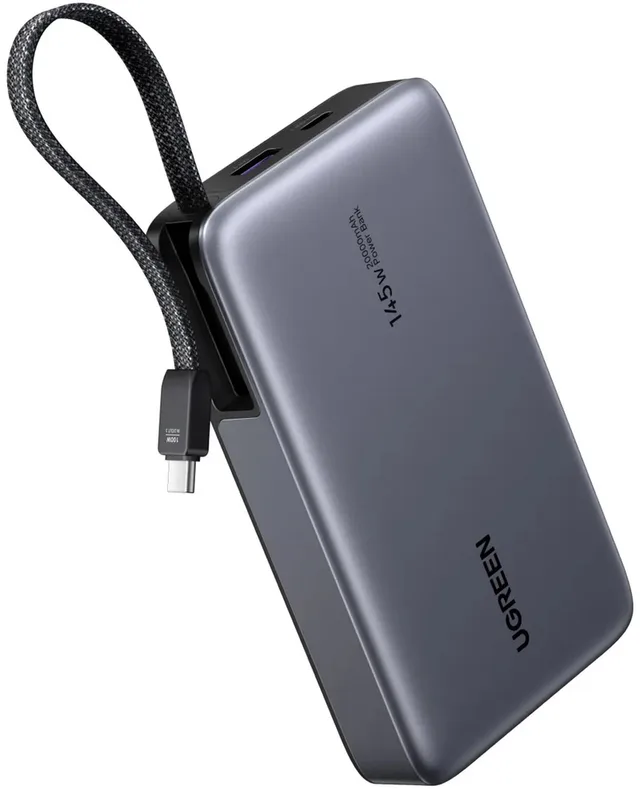
Nexode Power Bank, 20000mAh 145W snel opladen
20,000 mAh145 WGreyFrom €49.99 · at 2 shops
- Sandberg
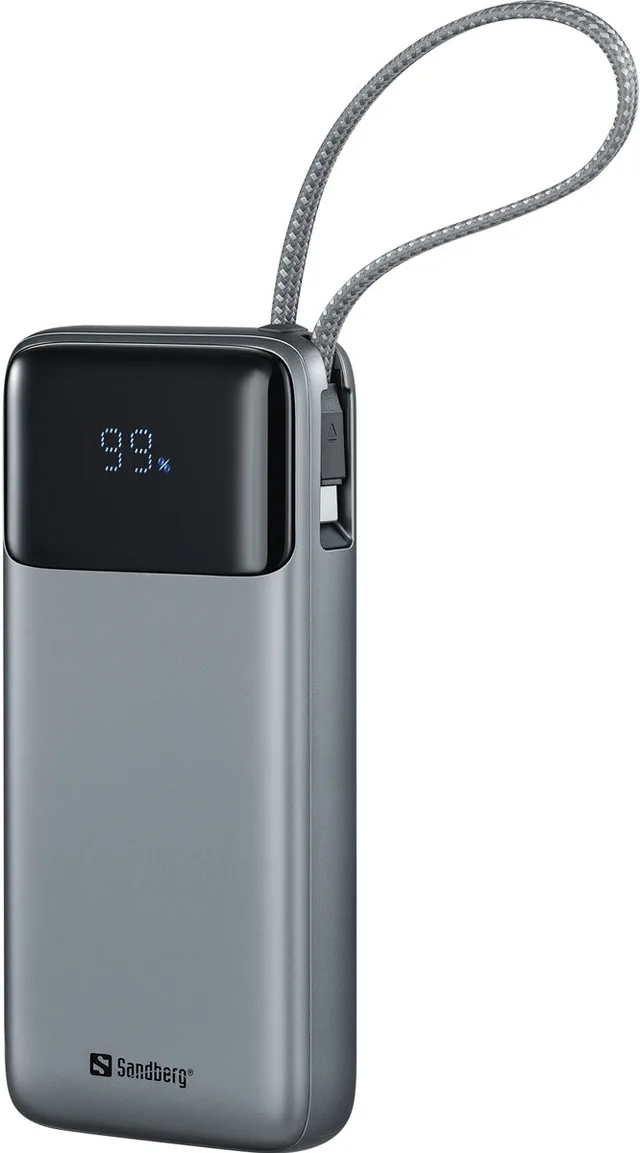
All-in1 Powerbank 20000 PD 67W
20,000 mAh67 WBlack · GreyFrom €43.96 · at 3 shops
Lowest in 24 days
- 4smarts
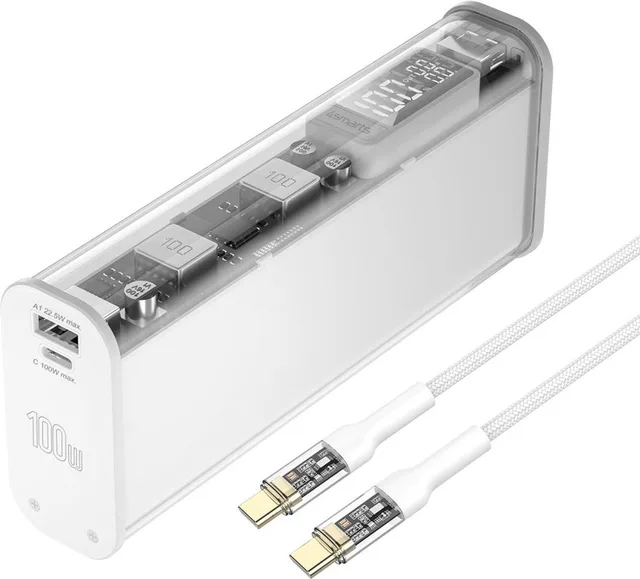
Lucid Block Powerbank 20.000 mAh
Snellader 100W · met Digitale Display20,000 mAh100 WWhite€69.95 · at 1 shop
With a cable, wireless or MagSafe
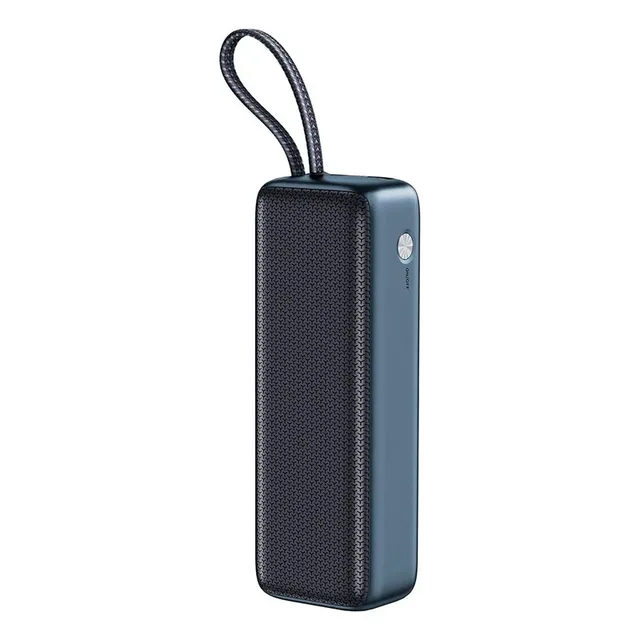
A built-in cable means one less thing to carry. UGREEN lists it for the Nexode Power Bank 55W, Baseus for the PicoGo.
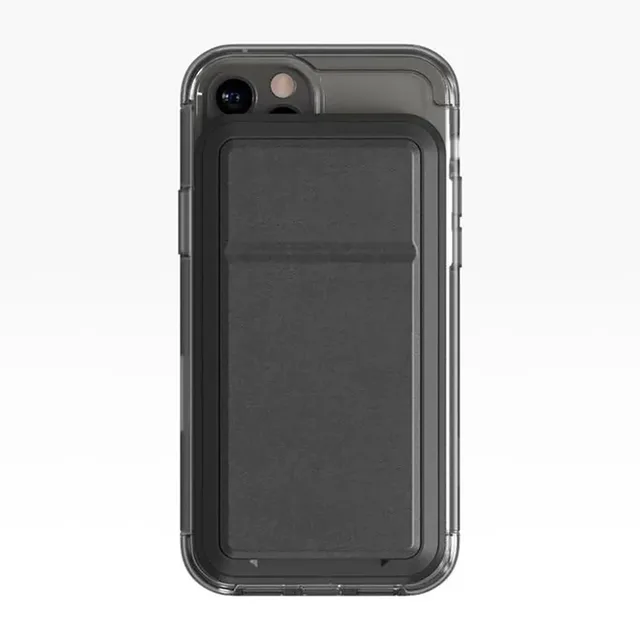
A MagSafe or Qi2 power bank snaps magnetically onto the back of the phone and charges wirelessly. Xtorm names the MagSafe system for the Magsafe Powerbank 10000 mAh; the 15 W in that name refers to the USB-C port. Apple makes its own MagSafe Battery, but Apple makes it for the iPhone Air. Wireless charging is handy on the go, but more energy is lost as heat than over a cable. With a case in between you need a MagSafe or Qi2 case.
Wireless power banks
- Apple
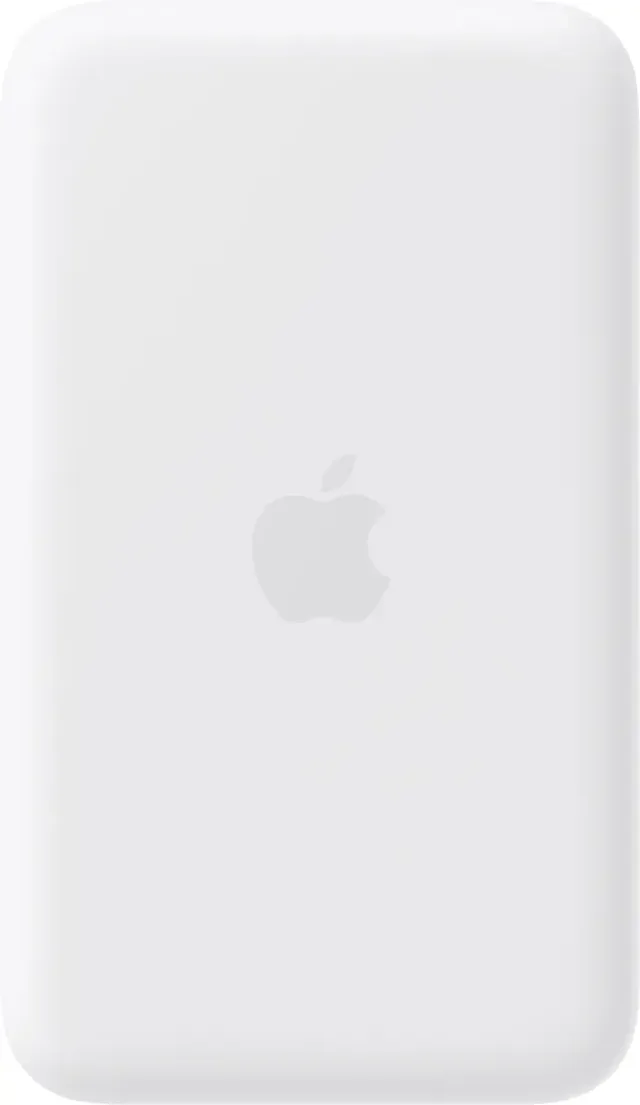
MagSafe Powerbank
WhiteFrom €105 · at 3 shops
- Xtorm
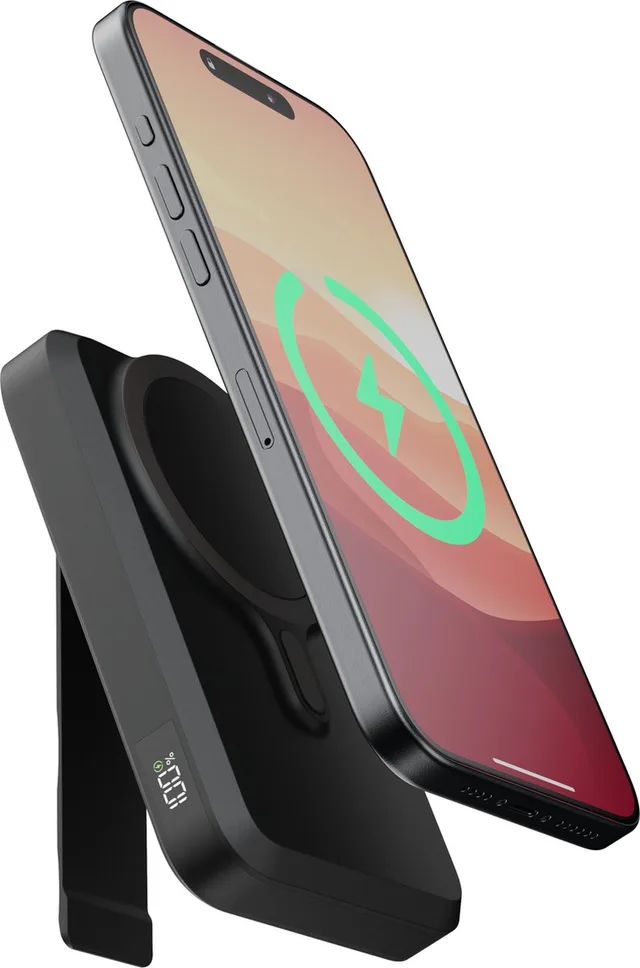
Magsafe Powerbank Draadloos 10000 mAh
MagSafe systeem10,000 mAh15 WBlackFrom €49.95 · at 4 shops
- PanzerGlass
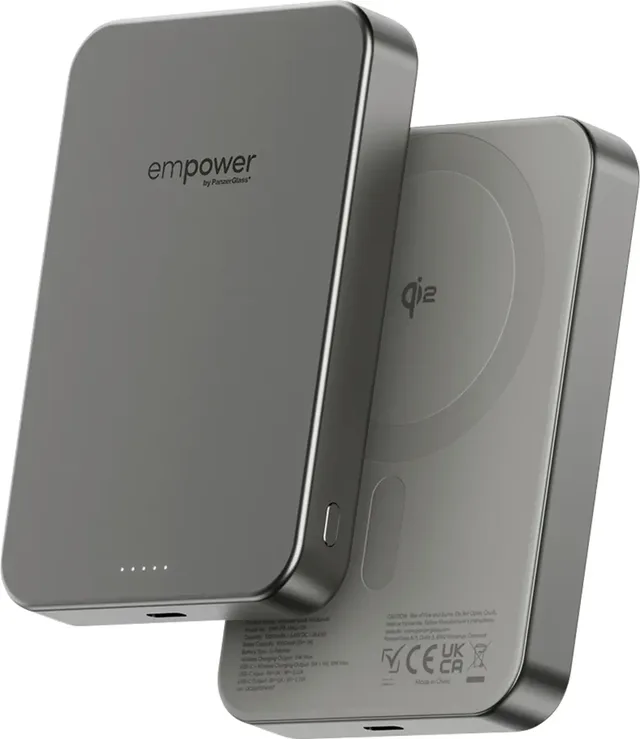
empower Bank Powerbank 10000 mAh Magsafe, Qi Wireless Charging USB-C Grijs Statusweergave
10,000 mAhGreyFrom €53.94 · at 2 shops
- mophie
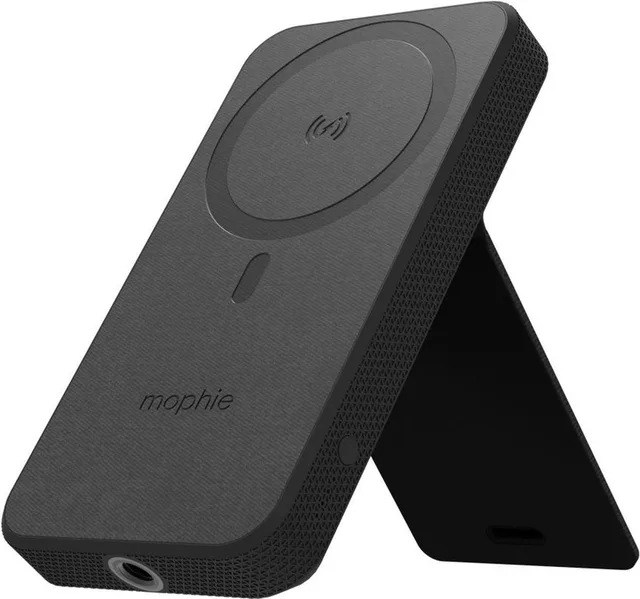
Snap+ Powerstation Stand MagSafe Powerbank 10.000 mAh
10,000 mAhBlackFrom €19.95 · at 2 shops
- Baseus
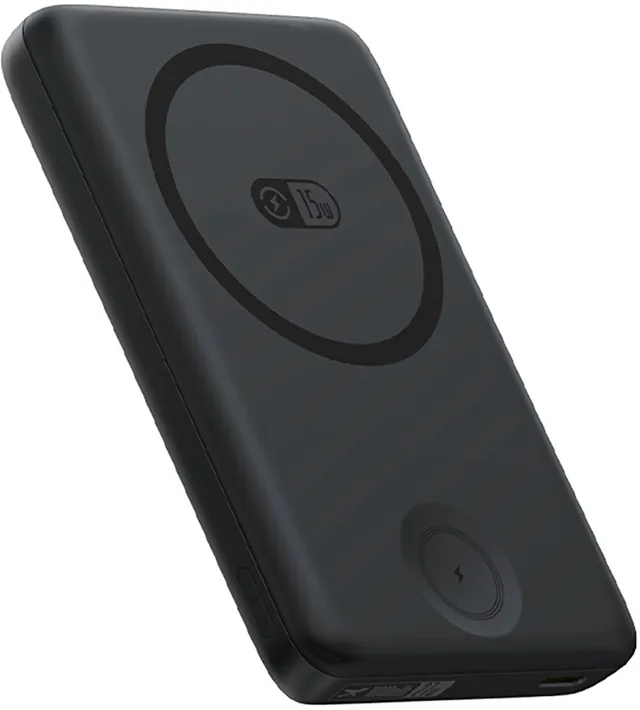
EnerFill FT11 Serie
MagSafe Powerbank · USB-C10,000 mAhBlack€49.99 · at 1 shop
- Xtorm
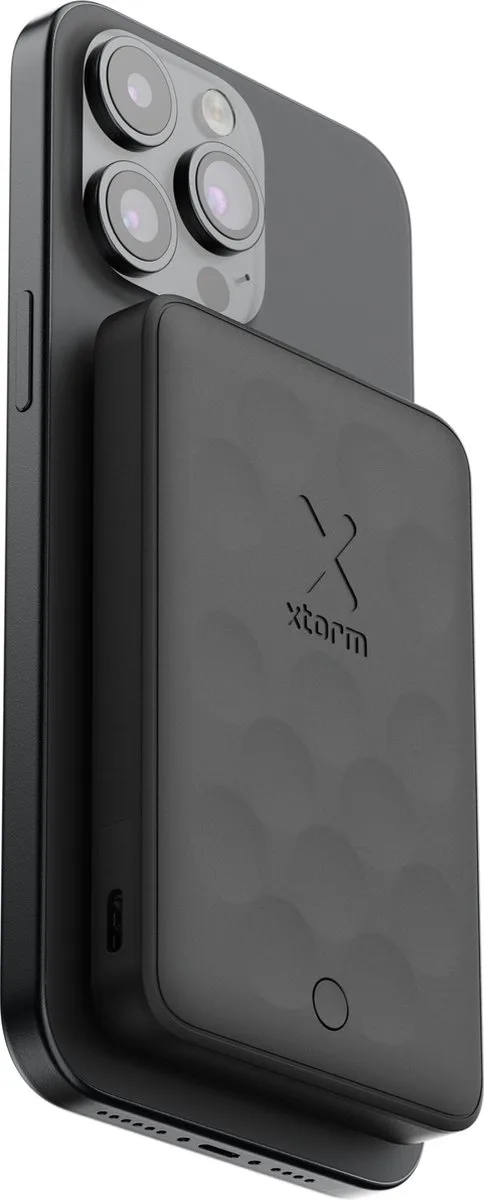
MagSafe power bank 5000 mAh, suitable for iPhone 12, 13, 14, 15, 16/MagSafe system, power banks, magnetic charging, emergency pack, wireless charging
with USB-C port 7,5W5,000 mAh15 WBlackFrom €37.99 · at 3 shops
Taking it on a plane
Under IATA's 2026 guidance for passengers travelling with lithium batteries, these rules apply to a power bank:
- A power bank always goes in your hand luggage, never in checked baggage.
- At most two power banks per person, each of at most 100 Wh.
- Above 100 Wh a power bank may not come along under that guidance, not even with the airline's approval.
- You may not recharge the power bank on board, and it should not power other devices during taxiing, take-off and landing.
A 20,000 or 25,000 mAh power bank stays under 100 Wh. Airlines may set stricter rules, for example on using a power bank on board: check your airline's site before you leave. Every model is under power banks, and separate cables under cables.
Frequently asked questions
How many times can I charge my phone with 10,000 mAh?
That depends on your phone's battery and on the conversion loss. Look at the "rated capacity" on the power bank and compare it with your phone's battery capacity in its specifications.
Can a 20,000 mAh power bank go on a plane?
Yes, in your hand luggage. At 3.7 volts it is 74 Wh, below the 100 Wh limit IATA gives. You may take at most two, and you may not recharge them on board.
Is a power bank with more watts bad for my phone?
No. The phone asks for the power it can take; the power bank supplies no more.
Which cable do I need for a laptop?
A USB-C cable that can carry the power. For more than 60 watts that is, according to USB-IF, a 5-amp cable.
Keep looking
Tenbars doesn’t test devices itself. This guide sets out what manufacturers state.
Products from this guide
Popular products with a current price at the shops. Compare the prices on the product page.
- Anker
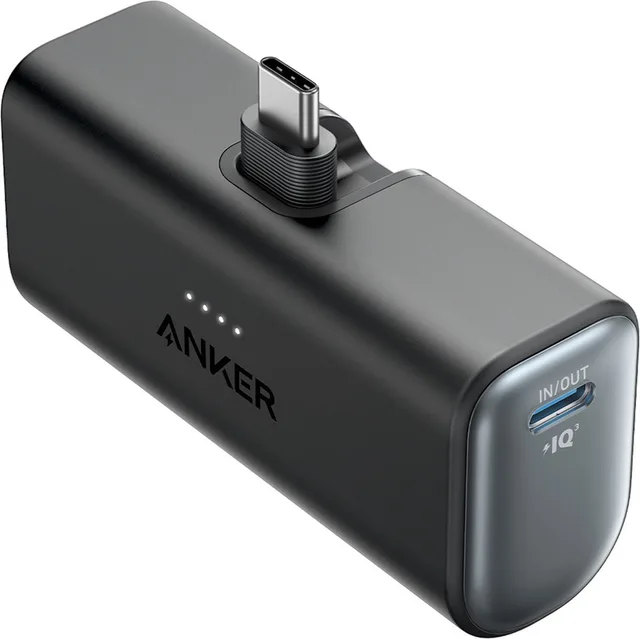
Nano
(22.5W) Mini Powerbank met USB-C5,000 mAhBlackFrom €25.99 · at 4 shops
- Xtorm
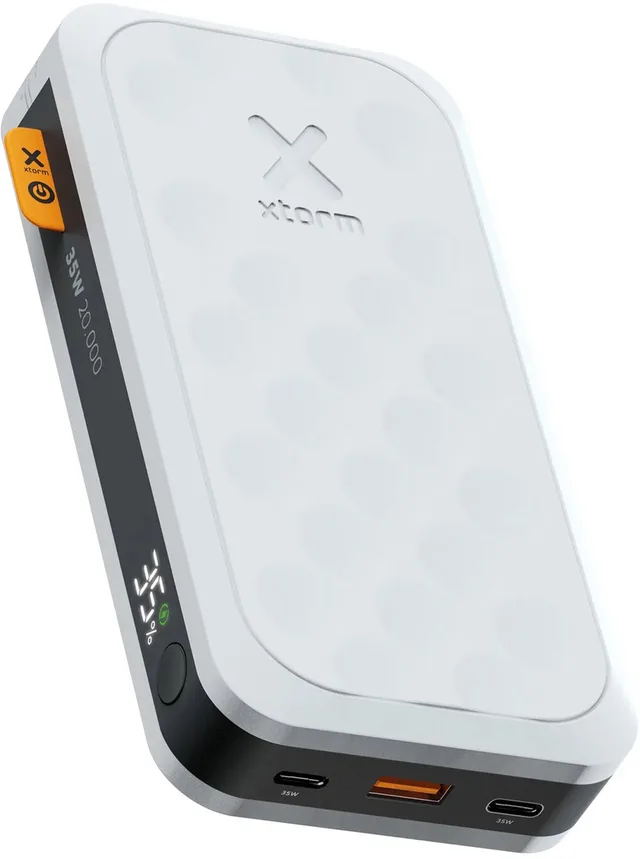
Fuel Series 5 Powerbank 20000 mah
35W snellader · Quick Charge20,000 mAh35 WWhite, BlackFrom €48.47 · at 4 shops
- Anker
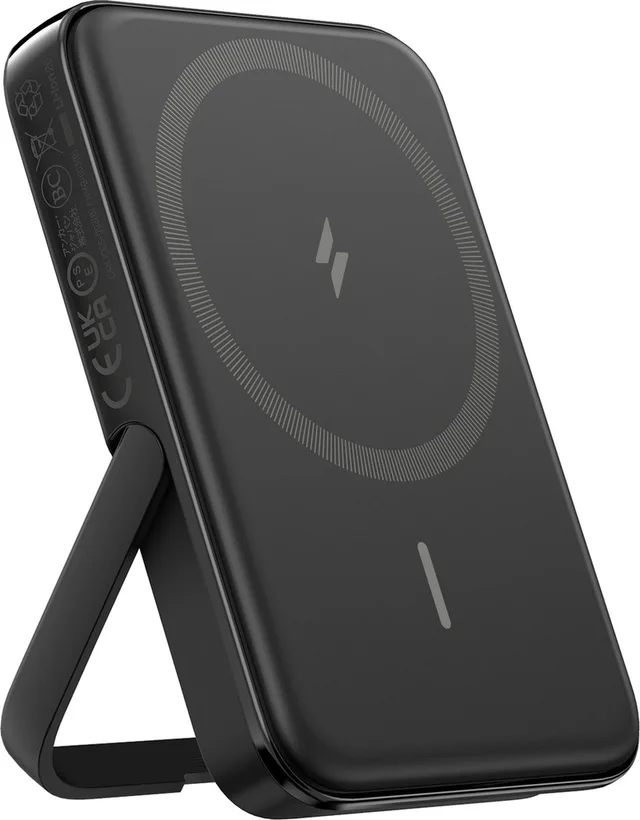
322 MagGo
(7.5W) Powerbank met Standaard 5.000 mAh5,000 mAhBlackFrom €38.98 · at 4 shops
- Anker
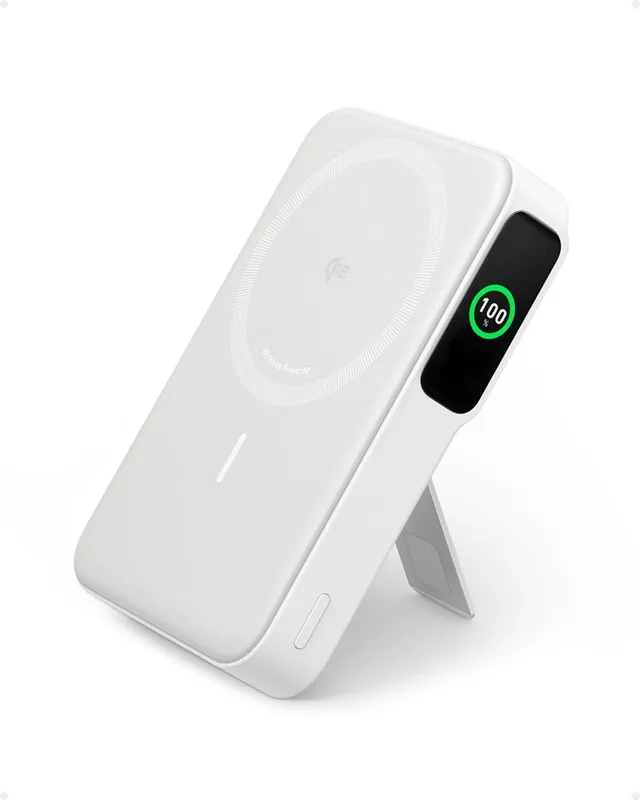
MagGo Powerbank 10.000 mAh
Draadloze Oplader10,000 mAh15 WWhite, BlackFrom €76.79 · at 1 shop
- Anker
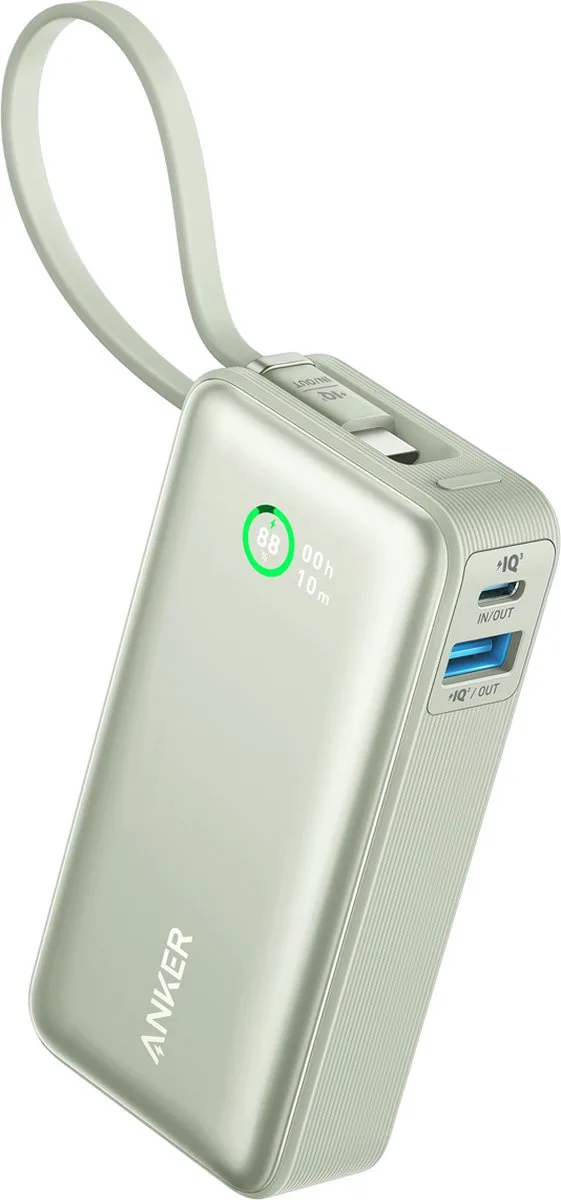
545 Nano
(30W) Powerbank · Vaste USB-C Kabel10,000 mAh30 WGreenFrom €49.99 · at 4 shops
More buying guides
- Choosing a phone case: MagSafe, book case or drop protection You choose a case on shape, magnets and protection. Here is how to read MagSafe, Qi2 and MIL-STD on the box, and what a book case with card slots does. Read the guide
- Choosing a screen protector: tempered glass or film? Glass feels like the screen, film flexes with it. Here is how to choose the screen protector that suits your phone, with or without a privacy filter. Read the guide